Mock-Neck Sweatshirt DIY Is Surging: How to Customize One With Iron-On Patches
A plain mock-neck sweatshirt has become one of 2026’s most interesting DIY fashion canvases. Instead of buying a heavily branded or pre-decorated piece, creators are personalizing simple sweatshirts with iron-on patches, letters, small motifs and custom arrangements that feel more individual.
Why customized sweatshirts are taking off
The appeal is easy to understand: the base garment is familiar and wearable, while the decoration can be completely personal. A few well-placed patches can turn a neutral sweatshirt into something that reflects a hobby, color palette, school spirit, travel memory or simply a favorite aesthetic.
It also fits a broader shift toward hands-on personalization. Instead of chasing an exact ready-made look, people can start with a blank and make a version that is genuinely theirs. That same mindset is behind the rise of visible mending and creative clothing repair.
What you need before you start
You do not need a complicated setup. The most useful supplies depend on the patch material and the sweatshirt fabric, but a basic project usually starts with a plain sweatshirt, compatible iron-on patches, an iron or heat-press-style tool, a pressing cloth or parchment sheet, and a flat heat-safe surface.
How to plan a patch layout that looks intentional
1. Choose one visual direction
Start with a theme rather than random patches. Collegiate letters, botanical motifs, tiny food graphics, retro symbols, western details and monochrome icons can all work. Limiting the palette to two or three dominant colors usually makes the finished piece look more considered.
2. Test the placement before heating
Lay the sweatshirt flat and position every patch first. Take a phone photo, move the patches, then compare. This simple step prevents the common problem of permanently attaching the first patch before realizing the composition feels unbalanced.
3. Use the neckline as an anchor
The mock neck already creates a strong visual frame. A small chest cluster, curved arrangement beneath the collar, sleeve detail or one oversized focal patch can work better than filling every empty area.
4. Leave breathing room
Customization does not have to mean maximum decoration. Negative space makes each motif easier to read and can make an inexpensive patch arrangement look much more polished.
Iron-on vs. sewn-on patches
| Method | Best for | Watch for |
|---|---|---|
| Iron-on | Fast beginner projects | Heat compatibility and edge lifting |
| Sewn-on | Durability and heat-sensitive fabrics | More time and basic stitching skill |
| Heat + edge stitching | A secure, finished result | Extra work, but useful for frequently washed pieces |
A simple beginner setup
For a first project, choose one medium focal patch and two to four smaller supporting patches. Arrange them on the upper chest or one sleeve. Keep the first version restrained; you can always add more later. Follow the exact heat instructions supplied with the patch rather than relying on a universal temperature, because adhesives and fabrics vary.
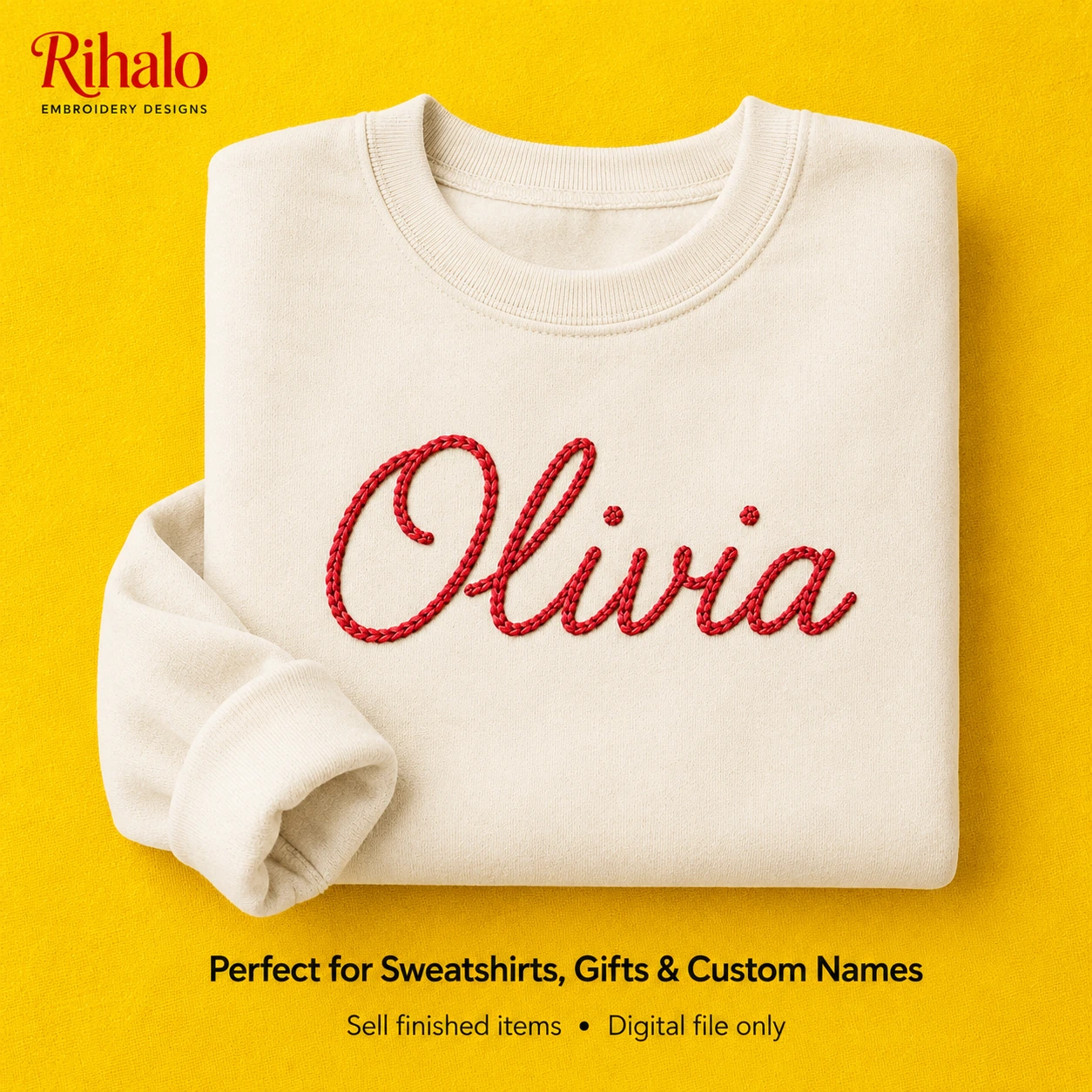
If you enjoy the stitched look more than heat-applied decoration, Rihalo’s handmade quilt trend guide is another useful route into textile personalization and color planning.
What to compare before buying DIY sweatshirt supplies
This is where the project can become much easier or much harder. When comparing tools and materials, look at patch backing type, dimensions, wash instructions, the temperature range of the heating tool, whether a pressing mat is included, and whether you need a small precision iron for sleeves and tight areas. For people making several garments, a compact heat press may offer more even pressure than a household iron; for an occasional project, a standard iron may be enough.
How to make the idea your own
The strongest part of this trend is that there is no single correct design. Try initials without copying a recognizable brand layout, combine small original motifs, use a restrained tonal palette, or mix patches with simple hand stitching. Avoid copying protected logos, characters or another creator’s exact composition. Personalization works best when the result actually feels personal.
FAQ
Can you iron patches onto a sweatshirt?
Often, yes, but only when both the patch backing and sweatshirt fabric are compatible with the required heat. Always follow the manufacturer’s care and application instructions.
Do iron-on patches survive washing?
Durability varies by adhesive, fabric, application and laundering. Edge stitching can add security when the patch construction allows it.
Can I use a regular household iron?
Many small projects can be completed with one. A heat press is mainly useful when you want more consistent temperature and pressure across repeated projects.
Is the mock-neck sweatshirt trend only about patches?
No. Patches are the clearest DIY signal behind the current surge, but embroidery, appliqué and other original textile details can create a similar personalized effect.
Trend note: This article discusses an independent DIY fashion trend and is not affiliated with any apparel brand or social platform.