Fall Family Planner 2026: A Simple Printable System for School, Meals and Busy Weeks
A family planner fails when it becomes another project to maintain. The useful version is simpler: one place to see the month, one sheet for the current week and a short reset routine that takes less than fifteen minutes.
Fall is a good time to rebuild that system because school schedules, sports, appointments and seasonal events all begin stacking on top of ordinary meals and household tasks.
The three-page system
Page 1: the monthly overview
Use this only for fixed dates: appointments, birthdays, school closures, travel, deadlines and events. Do not fill the monthly calendar with small daily chores; that makes important dates harder to see.
Page 2: the current week
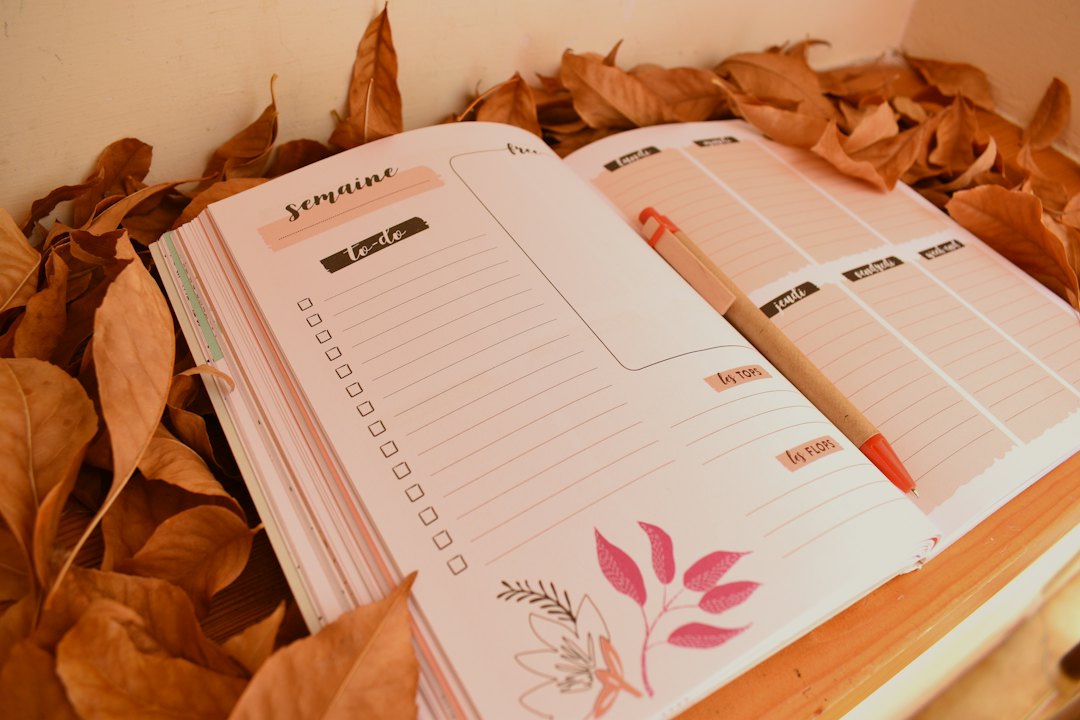
Divide the week into seven clear day blocks and add one narrow section for priorities. This is where practices, pickups, work deadlines, meal notes and time-sensitive errands belong.
Page 3: the household list
Keep groceries, errands, household tasks and items to buy on one running list. Cross off or move items during the weekly reset instead of rewriting the entire page every day.
Use color for categories, not for people
Color-coding every family member sounds logical, but it becomes difficult when one event belongs to several people. Instead, try using colors for event types: school, health, work, home and social.
This makes the page readable even when family responsibilities overlap. Keep the palette to three or four colors so the calendar still works when printed in grayscale.
A weekly reset that takes 12 minutes
- Minute 1–3: copy fixed events from the monthly calendar into the upcoming week.
- Minute 4–5: add school, sport and transport details.
- Minute 6–7: choose four or five realistic dinner ideas and mark the busiest nights.
- Minute 8–9: move unfinished errands that still matter.
- Minute 10–11: check supplies, forms, gifts or items that need to be prepared.
- Minute 12: photograph the final weekly sheet so everyone can access it away from home.
Make meal planning lighter
Do not assign an ambitious recipe to every night. Label two nights as “fast,” one as “leftovers,” one as “flex” and plan only the meals that benefit from preparation. A planner should reduce decisions, not create seven new obligations.
Where printables help most
A printable is useful when the layout itself saves time: a visible weekly grid, a repeatable grocery section, a school checklist or a simple event planner. Decorative pages are fine, but the pages you reprint every week should be fast to scan.
For community events, school fairs or seasonal gatherings, see our fall festival flyer guide for ideas on making information easy to notice at a glance.
Best printing setup
- Use US Letter or A4 depending on the paper you already buy.
- Print weekly sheets double-sided only if both sides stay visible in your planner.
- Choose a slightly heavier paper for reusable reference pages, but ordinary copy paper is fine for weekly sheets.
- Test one page before printing a month’s worth.
- Leave enough margin for a binder punch or clipboard clip.
Digital + paper can work together
Keep recurring events and reminders in your phone calendar, but use paper for the shared weekly picture. The phone is better at alarms; paper is better at showing the shape of the week without tapping through several screens.
FAQ
How many planner pages do I really need?
Three core pages are enough for many households: monthly, weekly and a running household list.
Should every family member have a separate color?
You can, but category colors are often easier when multiple people attend the same event.
How often should I update the planner?
A short weekly reset plus quick additions when new appointments arrive is usually enough.
Featured photo: Ionela Mat on Unsplash.