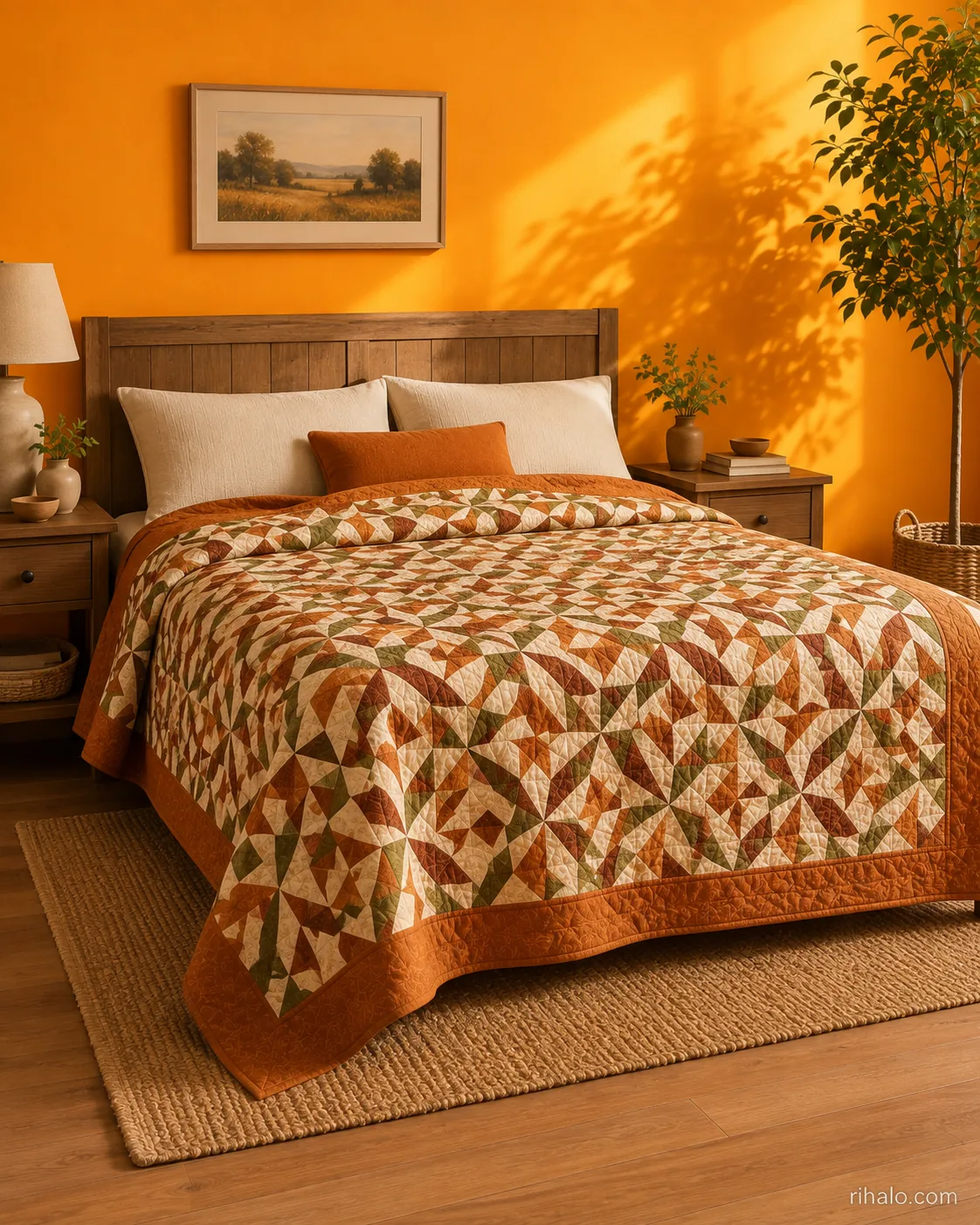
Star Quilts Are Having a Fall 2026 Moment
Star blocks are everywhere in current fall quilting activity. September 2026 quilt-alongs are actively featuring sawtooth and multi-star layouts, which makes this a particularly good time to start a star quilt while sew-along interest is high.
Why star quilts keep returning
A star block can look traditional, modern or seasonal depending on color and scale. The geometry is recognizable, but small changes in contrast create completely different results. That flexibility is one reason star patterns work so well for scraps, fat quarters and coordinated fabric bundles.
Start with contrast, not color
Before choosing exact colors, separate fabrics into light, medium and dark values. A beautiful print can disappear if its value is too close to the background. Photographing your fabric choices in black and white is a quick way to check whether the star points will remain visible.
Autumn palette idea
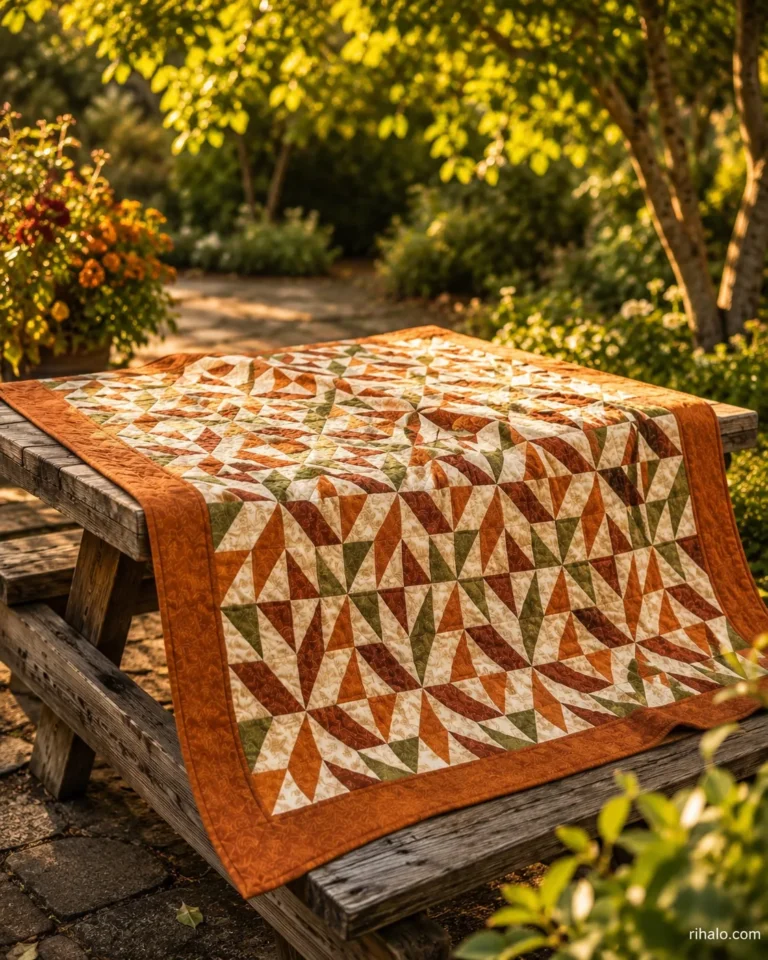
Try rust, ochre, deep green and cream for a warm seasonal quilt without relying on novelty prints. For a cleaner modern version, use one dark star color against several quiet neutrals.
How to get cleaner star points
Accurate cutting matters more than speed. Use a sharp rotary blade, keep a consistent seam allowance and press units before joining blocks. When working with half-square triangles, trim each unit to the required size before assembly.
Choose the right project size
A table runner is a smart test project if you are new to star blocks. A throw gives you enough repetition to improve accuracy. A bed quilt makes the strongest visual statement but requires more attention to fabric quantity and block consistency.
Plan the backing before you cut the top
For a larger star quilt, record the intended finished width and length before buying backing. Use the free Fabric Yardage Calculator for repeated rectangular pieces; for quilt backing, calculate the finished top plus the overage requested by your quilting method or longarm quilter, then account for usable fabric width and any panels that must be pieced. Standard quilting cotton may need to be pieced for a wide quilt, while wide-back fabric can sometimes cover the back with fewer seams. Leave the extra backing required by your quilting method or longarm quilter rather than sizing the back exactly to the quilt top. Rihalo’s general Fabric Yardage Calculator is useful for simple rectangular fabric estimates, but quilt backing and binding involve additional layout, seam and overage decisions, so follow your pattern or quilter’s requirements for the final purchase.
Try a seasonal star pattern
Rihalo’s Autumn Harvest Stars quilt pattern uses a fall-focused star layout and is available as a digital PDF for makers who want to begin immediately.
Useful tools for a star quilt
A gridded cutting mat, rotary cutter, quilting ruler, fine pins or clips and a dependable quarter-inch seam setup are the most useful basics. If you later upgrade one tool, a square ruler sized near your block dimensions can make trimming faster and more consistent.
FAQ
Are star quilts beginner friendly?
Many are. Choose a pattern based on half-square triangles or simple flying geese and work slowly on consistent seam allowances.
What fabric works best?
Quilting cotton is the easiest starting point because it cuts, presses and pieces predictably.